By Shawn Martin
Short answer: plan EV charging around how residents and guests actually park, then decide how many chargers, what type and how they are managed. Dwell time, shared or assigned spaces, access and payment, operating rules and future phases matter as much as the number of chargers. Getting those decisions right before procurement helps avoid equipment that is idle, contested or difficult to expand.
This educational overview is written for apartment, condominium and hotel owners and their design teams. Current requirements for a specific property should be confirmed with the jurisdiction, the serving utility and the responsible professionals.
Plan for dwell time
Apartment residents often park overnight, and many hotel guests stay one or more nights. Long stays mean vehicles can often charge at moderate power over many hours. Turnover still matters: a hotel with frequent day visitors, a property near a highway or a building with shared public parking may see very different patterns.
Record what you know about parking today: overnight occupancy, the share of reserved spaces, how often vehicles move and which areas fill first. Those observations are a better starting point than a charger count copied from another property.
Shared or assigned spaces
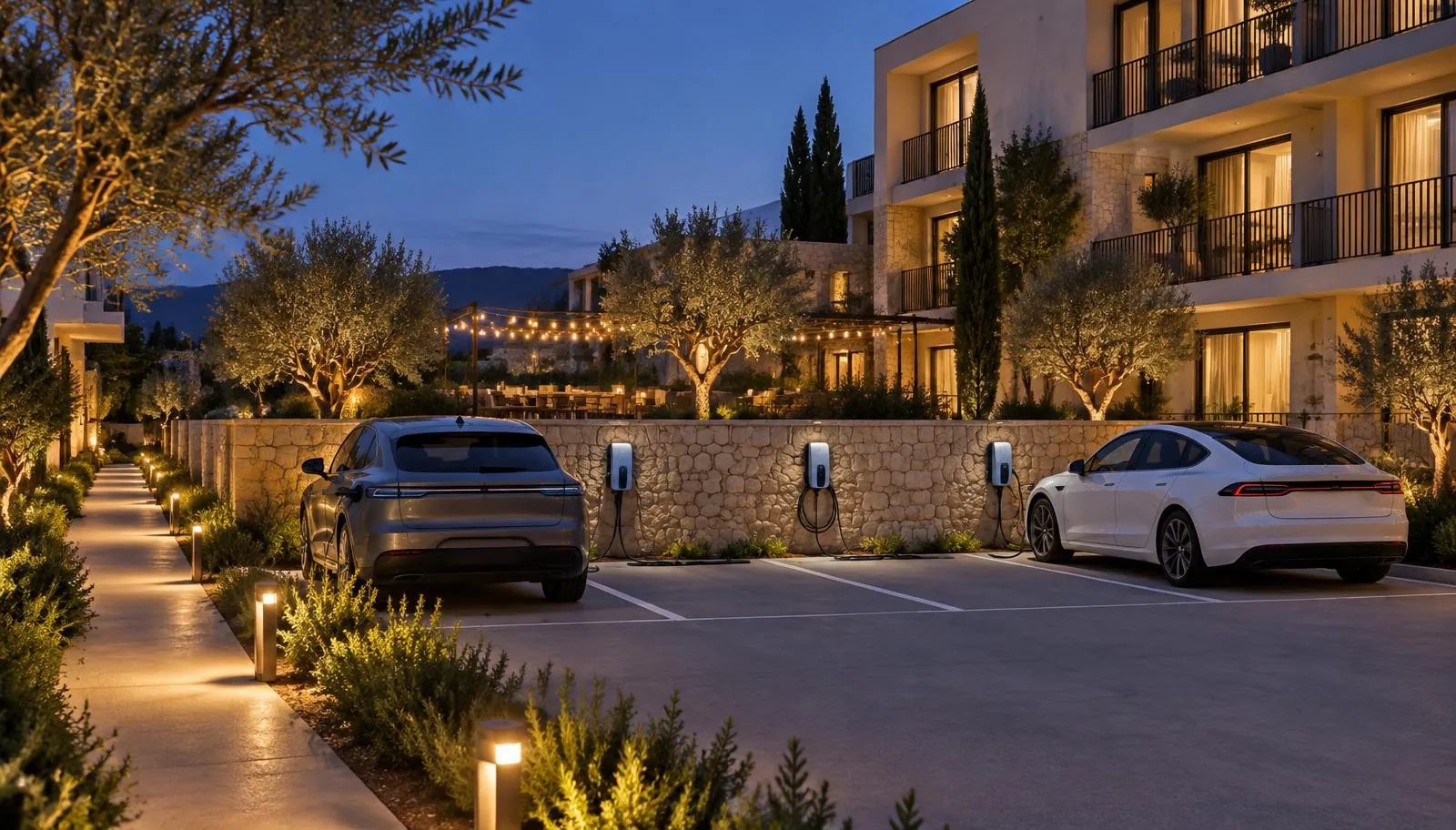
At apartments with assigned parking, a charger at each resident’s space is convenient but can leave equipment unused when that resident does not drive an EV. Shared charging spaces serve more people with fewer chargers, but need rules for moving vehicles once charging is complete. Hotels usually rely on shared spaces, which makes access rules and wayfinding more important.
Many properties combine approaches: a few shared chargers now, with infrastructure ready to serve assigned spaces later.
Access, payment and responsibilities
Decide early who can use the chargers, how they start a session and who pays for the electricity. Options range from included guest charging to network-based payment or cost recovery through the lease. Each choice affects equipment, metering and network requirements.
Also decide who responds when a charger is out of service or a cable is damaged, how residents and guests report a problem and how quickly the property expects repairs. Those responsibilities belong in the operating brief and the service agreement.
Write fair operating rules
Clear rules prevent conflict: time limits or idle fees on shared spaces, whether reservations are offered and how the property handles a vehicle parked in a charging space without charging. Rules should be consistent with leases, local requirements and accessibility obligations, so involve your own advisors where needed. Write the rules before installation so the equipment and software can support them.
Level 2 is often a fit, not a universal answer
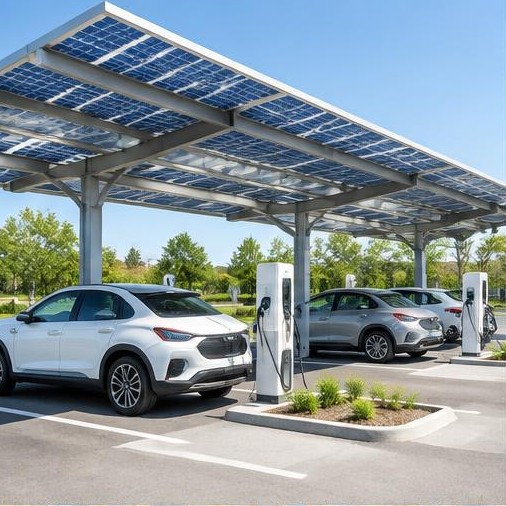
Because vehicles at apartments and hotels usually stay for hours, Level 2 charging is often a practical fit. It is not automatically sufficient. A property serving rideshare drivers, a hotel with many short visits or a site that wants to offer quick top-ups may need some higher-power charging. Let the operating brief decide, not a rule of thumb.
Managed charging and network ownership
Managed charging can share the available electrical capacity across more spaces, as explained in Can Your Building’s Electrical Service Support EV Chargers? It works best when the owner understands that vehicles may charge more slowly at busy times and that the system needs defined limits and a known behavior if communication fails.
Many networked chargers carry ongoing software or service fees. Before buying, ask who owns the network account and usage data, what happens if the provider changes its terms, whether the hardware can work with another network and who maintains the equipment.
Accessible routes and spaces
Charging spaces should be planned with accessible parking, routes and reach to equipment in mind. The U.S. Access Board (opens in a new tab) provides technical assistance on EV charging stations that separates existing accessibility obligations from its recommendations. Its 2024 proposal for EV charger requirements is a proposal, not an automatically enforceable rule. Confirm what applies with the architect or civil engineer and the jurisdiction; electrical drawings alone cannot resolve accessibility.
Plan the next phase now
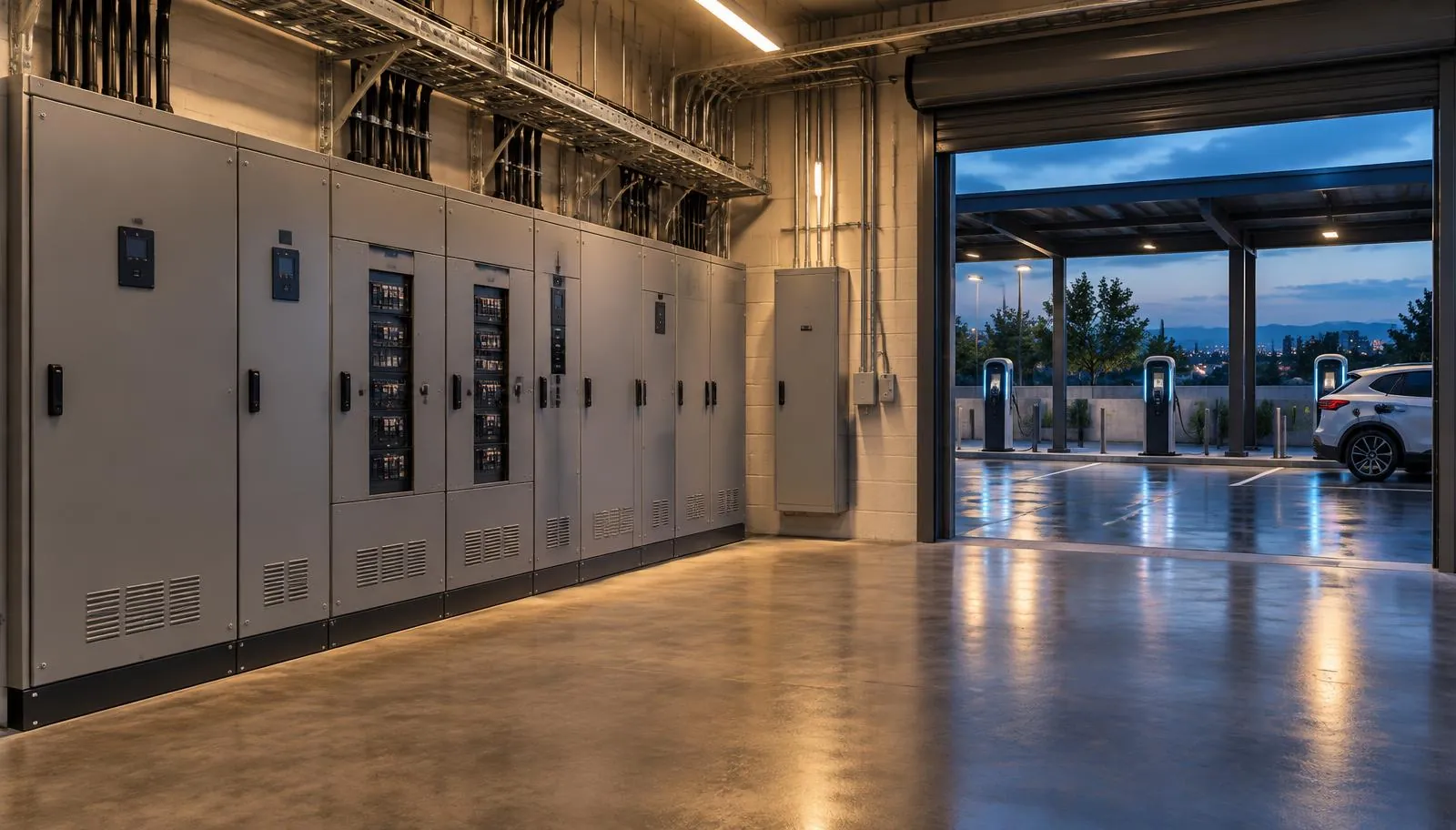
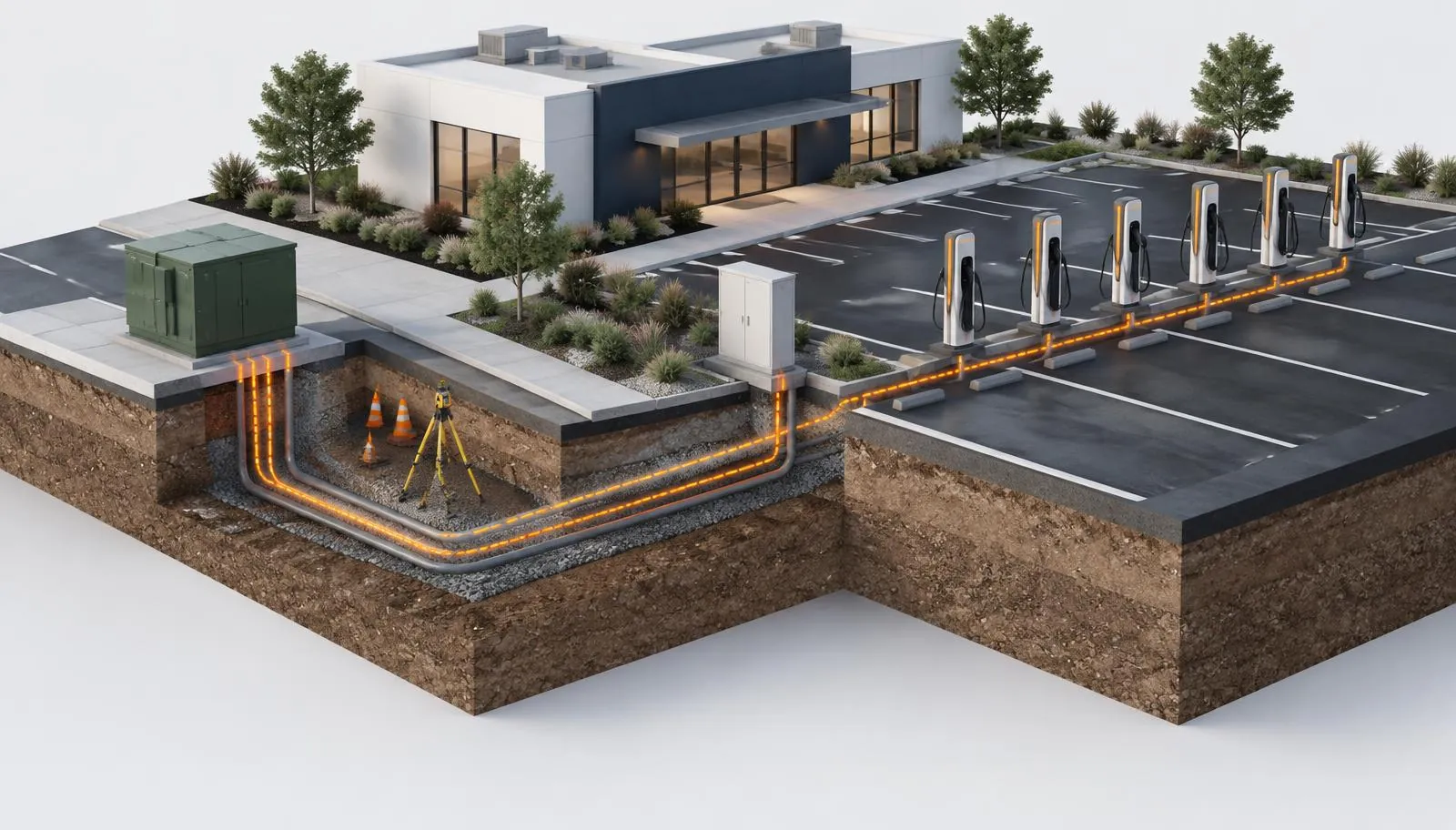
Installing extra conduit, adequately sized pull boxes, panel space and room for future equipment during the first phase is usually simpler than trenching and replacing equipment again later. Reserve space in electrical rooms and along routes, and keep a record of what was installed for future use. Some jurisdictions have requirements for EV-capable or EV-ready spaces, so the design team should confirm them for the project.
Stage the investment
A staged plan might install a first group of chargers, size the feeder and conduit for the next stage and identify where a future service upgrade would connect. Each later stage can then follow actual demand rather than a forecast. Staging does not remove the need for a full capacity review at the start; it helps ensure that the first phase does not block the later ones.
Pre-procurement checklist
- Parking count, assigned versus shared spaces and typical overnight occupancy
- Intended users: residents, guests, staff, visitors or fleet vehicles
- Access, payment and electricity cost recovery approach
- Operating rules for shared spaces and who enforces them
- Network ownership, data access and expected ongoing fees
- Existing electrical drawings, utility bills and the serving utility’s name
- Accessible parking layout and routes, coordinated with the architect or civil engineer
- Number of chargers now and the long-term goal for later phases
Our EV charging engineering services cover capacity review, load management and equipment layouts. When you are ready, send your checklist answers through our contact page.
Frequently asked questions
How many chargers does an apartment building need?
There is no single number. Start with parking patterns, resident interest and local requirements, then plan infrastructure that allows growth.
Is Level 2 charging enough for a hotel?
Often, because many guests stay overnight. Properties with short visits or specific guest needs may need some higher-power charging.
Should chargers be networked?
Networking can support access control, payment and managed charging, but usually involves ongoing fees. Compare the features you need with the long-term cost and ownership terms.
Do EV charging spaces have to be accessible?
Accessibility obligations can apply. Confirm current requirements for the project with the jurisdiction and design team; the Access Board’s technical assistance is a helpful starting point.
Sources and further reading
VizoDesign Engineering Team
Structural and MEP design for buildings and infrastructure nationwide. This article provides general educational information; project requirements must be checked against the applicable codes, jurisdiction and site conditions.