
By Shawn Martin
Code-transition information checked November 11, 2026
A project can be well into construction documents when a schedule change forces the team to revisit its design basis. A new code edition may affect structural calculations, mechanical equipment, electrical distribution, energy modeling, accessibility, or the documentation needed to obtain a permit. Even when the design ultimately stays the same, someone must establish that it complies.
The immediate task for projects approaching 2027 is to identify the applicable jurisdiction, the actual permit milestone, and the disciplines affected. There is no nationwide January 2027 building-code deadline. Florida, South Carolina, Washington, New Jersey, Oregon, California, and individual cities have different transitions. Some have adopted requirements with future implementation dates. Others are still completing rulemaking. Several changes described online as “upcoming” are already in effect.
This guide covers selected, verified transitions that illustrate the decisions building teams need to make. It is not a 50-state adoption directory or a substitute for the adopted code, amendments, and a project-specific determination by the authority having jurisdiction, or AHJ.
The practical recommendation: Create a separate code-and-permit schedule for every project. Record the source, applicable edition, transition rule, required submission contents, responsible person, and fallback design approach. Review that schedule before promising a submission date or purchasing equipment.
The dates that deserve attention first
The following dates have different meanings. An implementation date, an old-code grace-period deadline, and an announced rulemaking target should never be treated as interchangeable.
| Jurisdiction | Date | What the date means |
|---|---|---|
| Chicago, Illinois | December 1, 2026 | Mandatory transition for the 2026 mechanical, fuel-gas, and energy provisions, subject to code-specific exceptions. This is a city change, not an Illinois-wide deadline. |
| Florida | December 31, 2026 | Announced implementation of the 9th Edition (2026) Florida Building Code. Miami-Dade has published specific application and portal cutoffs. Confirm final state rule status and the local intake procedure. |
| Washington electrical | December 31, 2026 | The adopted state rule replaces the 2023 NEC with the 2026 NEC, with defined exceptions tied to building permits or accepted electrical plans. |
| South Carolina | January 1, 2027 | Local implementation of the adopted, state-amended 2024 code family and 2023 NEC. Administrative procedures remain local. |
| New Jersey | February 17, 2027 | Last day identified by DCA to submit a complete application under the prior model codes during the grace period. The newer codes were adopted August 17, 2026. |
| Oregon residential | April 1, 2027 | Mandatory use of Chapters 2–44 and appendices of the 2026 Oregon Residential Specialty Code after its phase-in. Chapter 1 is already mandatory. |
| Washington building-code cycle | May 3, 2027 | Announced implementation target for the 2024 state building-code cycle. Verify final rules and amendments separately from the electrical transition. |
| California | July 1, 2027 | HCD’s announced effective date for the 2025 Intervening Code Supplement. The 2025 base code is already in use. |
The controlling sources, qualifications, and design actions for these entries follow below.
Florida: prepare for the December 31 transition and verify local intake rules
Florida’s 9th Edition (2026) Building Code is scheduled for December 31, 2026. The Florida Administrative Register published the proposed adoption under Rule 61G20-1.001 on September 23, 2026. That notice describes incorporation of the new edition; a proposed-rule notice should not itself be described as a final effective rule. Designers should check the current rule record before relying on the transition. Florida Department of State adoption notice (opens in a new tab)
Miami-Dade County has issued a more immediate operational instruction: building permit applications and plans submitted on or after December 31 must use the new edition. Its online submissions received after 4 p.m. on December 30, 2026 are subject to the 2026 edition. The county also directs users of its Cookie Cutter and Master Model programs to update their models. That 4 p.m. cutoff is Miami-Dade guidance, not a statewide portal rule. Miami-Dade transition notice (opens in a new tab)
A specific technical issue: Miami-Dade’s Product Control Section says roofing systems on lightweight concrete over steel decks that were qualified solely through 2-foot-by-2-foot uplift testing need updated Notices of Acceptance demonstrating TAS 114, Appendix J compliance for the new edition. Do not assume an old approval remains adequate merely because the product name has not changed. Miami-Dade roofing approval memorandum (opens in a new tab)
What designers should do: Confirm the municipality actually reviewing the project. Recheck product approvals against the proposed roof assembly, substrate, attachment, design pressures, and applicable edition. Coordinate architectural specifications, structural calculations, and delegated roofing submittals. For repeat plans, update the master design and each site-specific application. Treat permit expiration and reapplication as separate risks to be resolved with the building department.
South Carolina: January 1 brings a mixed set of code editions
South Carolina’s Building Codes Council adopted the new mandatory codes on August 26, 2025, with local implementation on January 1, 2027. The package includes the 2024 IBC, IRC, IFC, IPC, IMC, and IFGC, with state modifications, plus the 2023 NEC. The adoption notice references S.C. Code §6-9-50. It explicitly leaves administrative policies and procedures to local jurisdictions. South Carolina official adoption notice (opens in a new tab)
The same notice identifies the 2009 IECC as the statutory energy standard and addresses the separate statutory adoption of the latest ICC/ANSI A117.1 accessibility standard. Consequently, “the state is moving to 2024 codes” is an incomplete project specification. It does not mean the energy, electrical, and accessibility standards all carry a 2024 date. South Carolina official adoption notice (opens in a new tab)
What designers should do: Build a discipline-by-discipline list rather than copying one year across the cover sheet. Check the Council’s approved modifications and the accessibility standard applicable to the project. Obtain the local department’s requirements for application completeness, intake, revisions, and phased permits. Revisit repeat details and typical residential plans, but do not assume every model-code change survives South Carolina’s modifications.
Washington: two transitions need two separate checks
Electrical installations on December 31, 2026
WAC 296-46B-010 adopts the 2026 NEC effective December 31, 2026, replacing the 2023 edition. The general trigger is the electrical permit issue date. Exceptions include specified new dwellings with earlier building permits and new installations requiring plan review when plans were received and accepted before the adoption date. The exact exception must fit the project. Current WAC 296-46B-010 (opens in a new tab)
What designers should do: Have the electrical lead establish the applicable permit path and evidence needed to support any exception. Review state amendments alongside the NEC. Audit one-lines, service and feeder calculations, protection requirements, equipment ratings, clearances, and specifications against the applicable provisions. Buying a switchboard or finishing a drawing set is not, by itself, the trigger described in the rule.
The separate 2024 building-code cycle
Washington’s State Building Code Council has announced May 3, 2027 as the implementation date for its 2024 code cycle. Its published schedule separates the energy-code adoption process from other code families; the posted energy adoption target is November 20, 2026. This guide therefore treats May 3 as a planning date requiring a final-rule check, rather than representing every provision as settled. SBCC code-cycle announcement (opens in a new tab)
What designers should do: Maintain separate building, energy, and electrical entries in the project schedule. Record final WAC amendments as they are issued. Confirm local application requirements rather than transferring one city’s intake policy to another. A single note saying “Washington 2027 code” cannot tell the consultants which standards to use.
New Jersey: the February 17 grace period requires a complete application
New Jersey adopted its 2024 model-code package and the 2023 NEC on August 17, 2026 through the Uniform Construction Code, N.J.A.C. 5:23. The state’s current-code list identifies the editions applicable to individual subcodes. New Jersey current construction codes (opens in a new tab)
DCA’s Fall 2026 Construction Code Communicator identifies February 17, 2027 as the last day to submit under the previous codes during the six-month grace period. Eligibility requires a complete permit application, including prior approvals. The application should identify the code editions used. The completeness provisions are in N.J.A.C. 5:23-2.15. DCA grace-period guidance, page 2 (opens in a new tab)
What designers should do: Make prior approvals part of the critical path. A finished engineering set may still miss the transition if a required approval or application element is outstanding. Put the intended edition on the application and coordinate that choice across drawings, specifications, calculations, and energy documents. For existing buildings, establish the applicable Rehabilitation Subcode path before applying new-construction requirements indiscriminately.
For a project unlikely to achieve a complete submission, compare the cost of moving to the new requirements now with the cost of producing and then revising an older-code package. That comparison should include coordination and review effort, not only drafting hours.
Oregon: residential, structural, electrical, and plumbing dates differ
Oregon’s Building Codes Division lists the 2026 Residential Specialty Code as effective October 1, 2026. Chapter 1 became mandatory immediately; Chapters 2–44 and appendices become mandatory April 1, 2027. Its 2025 Structural Specialty Code and Mechanical Specialty Code became mandatory April 1, 2026. The 2026 Electrical Specialty Code, based on the 2026 NEC, and the 2026 Plumbing Specialty Code, based on the 2024 UPC, became effective October 1, 2026. Oregon adopted-code directory (opens in a new tab)
What designers should do: Identify whether the project falls under the residential or structural specialty code before choosing a transition strategy. Do not treat the residential phase-in as a delay for every other discipline. Review administrative requirements already in force and establish which edition will govern technical design. For existing-building work in snow regions, consult Oregon’s listed interim amendments and applicable exceptions rather than extrapolating new-building requirements to every repair.
This is a useful example for firms operating nationally: a project’s correct code basis can include several edition years without being inconsistent. What matters is that each year follows the jurisdiction’s actual adoption and applicability rules.
California: use the 2025 code now and plan for the 2027 supplement
The 2025 California Building Standards Code, Title 24, generally took effect January 1, 2026. It should not be described as a future 2027 adoption. Check the applicable part, enforcing agency, supplements, and local amendments. California Building Standards Commission code directory (opens in a new tab)
For energy compliance, the California Energy Commission states that permit applications on or after January 1, 2026 must comply with the 2025 Energy Code. The update expands heat-pump use in new residential buildings, electric readiness, and ventilation requirements. The Commission also provides 2025 compliance software, forms, and manuals. CEC 2025 Energy Code resources (opens in a new tab)
What designers should do now: Recheck the project’s energy pathway before equipment selections become fixed. Coordinate heating and water-heating strategy with electrical capacity, equipment space, ventilation, condensate, noise, maintenance access, and structural support. An energy model should use the actual proposed envelope and equipment information; a compliant report that no longer matches the drawings creates another coordination problem.
Looking ahead, HCD identifies July 1, 2027 as the effective date of the 2025 Intervening Code Supplement. Its page identifies approvals dated August 26, 2026 for listed building, electrical, mechanical, plumbing, and CALGreen supplement materials, while final document links are marked forthcoming. The date is actionable for planning, but detailed technical claims should wait for the final applicable text. HCD intervening-cycle status (opens in a new tab)
What designers should do next: Flag projects likely to apply after that date. Schedule a supplement review when the final material is available. Do not assume that every part of Title 24 changes in the same way or that an approval by one adopting agency establishes the requirements for every occupancy.
Chicago: a city-specific change on December 1, 2026
Chicago Municipal Code Sections 14A-1-105.7, 105.8, and 105.9 establish the transition to the 2026 fuel-gas, mechanical, and energy provisions on December 1, 2026. The mechanical transition includes provisions for earlier applications and discretionary treatment of certain minor revisions and later phases. Energy has its own transition provisions. Chicago mechanical transition (opens in a new tab) · Energy transition (opens in a new tab) · Mechanical and fuel-gas phased-permit exception (opens in a new tab)
What designers should do: Review the affected systems together and confirm the Department of Buildings’ current filing instructions. Determine how the application date, payment and intake process, and any phased work will be treated. Do not assume an earlier foundation permit automatically resolves the code basis for later mechanical work. Document any reliance on an exception with the relevant code provision and AHJ determination.
The lesson extends beyond Chicago. A statewide chart cannot substitute for a city review when the city has its own adopted construction code and administrative procedures.
Already effective changes that still cause mistakes
New York State and New York City require separate attention
New York State’s 2025 Uniform Code and Energy Code became effective December 31, 2025. However, the Department of State’s July 2, 2026 update states that implementation and enforcement of the fossil-fuel prohibition provisions at 19 NYCRR §1240.6 and Subpart 1229-2 remain suspended by court order and are neither effective nor enforceable. That exception does not suspend the entire code update. Verify the current court and agency status before advising an owner on fuel selection. New York Department of State adoption notices (opens in a new tab)
New York City’s 2025 Energy Conservation Code has a separate March 30, 2026 application threshold. DOB highlights additional efficiency credits, changes affecting existing buildings, and documentation and testing requirements. The city also distinguishes complete earlier filings from incomplete applications and specifies the correct city-specific compliance software. NYC Department of Buildings energy-code guidance (opens in a new tab)
Design action: Check the state requirements and city overlays separately. Never translate a statewide court order into a conclusion about every local law. For an alteration, document the scope and applicable exceptions rather than assuming that an existing or historic building is automatically exempt.
Pennsylvania and Massachusetts are no longer future transitions
Pennsylvania’s UCC triennial update took effect January 1, 2026. Its Department of Labor and Industry also maintains separate guidance on the court decision concerning accessibility provisions. Check the currently enforceable accessibility requirements instead of assuming that every provision shares the same model-code edition. Pennsylvania UCC guidance (opens in a new tab)
Massachusetts’ 10th Edition of 780 CMR took effect October 11, 2024, followed by a concurrency period that ended June 30, 2025. Applications received on or after July 1, 2025 cannot rely on the 9th Edition. Energy requirements require their own review, including the municipality’s applicable base, stretch, or specialized code. Massachusetts building-code transition notice (opens in a new tab) · Massachusetts energy-code guidance (opens in a new tab)
How code changes affect actual design work
The following are review tasks, not a claim that every listed change is mandatory on every project. Start with the adopted requirements, then test the consequences for the building and scope.
Structural design needs a checked load basis
Where the adopted code references ASCE 7-22, the review can involve revised snow information, drift calculations, seismic criteria, and the new tornado chapter. ASCE’s overview identifies several new or revised load provisions and structural-system provisions. ASCE 7-22 overview (opens in a new tab)
A structural review should record:
- Site coordinates, risk category, applicable standard edition, and local criteria.
- The source and date of hazard data used in calculations.
- The adopted load combinations and any state modifications.
- Effects on the lateral system, foundations, diaphragms, connections, and nonstructural anchorage.
- Changes to deferred-design assumptions and information needed from specialty engineers.
Do not compare one ground-snow number from an older method with one from a newer method and conclude that the entire building load increased by the same percentage. Follow the complete method, including its risk basis and load combinations. New Jersey’s DCA specifically discusses the move from ASCE 7-16 to ASCE 7-22 and the changed snow-load approach. DCA structural discussion, page 15 (opens in a new tab)
Tornado design is also a scope question. The ASCE 7-22 provisions concern qualifying Risk Category III and IV structures in the tornado-prone region, with applicability determined through the standard’s criteria. A new chapter does not mean every house nationwide must be redesigned for tornado loads. NIST provides a design guide for evaluating and applying these requirements. NIST tornado-load design guide (opens in a new tab)
Mechanical and energy decisions can change several disciplines
Treat the envelope, HVAC, service water heating, lighting, controls, and electrical supply as an interacting design. A change in the energy-compliance strategy can require more than a revised compliance form.
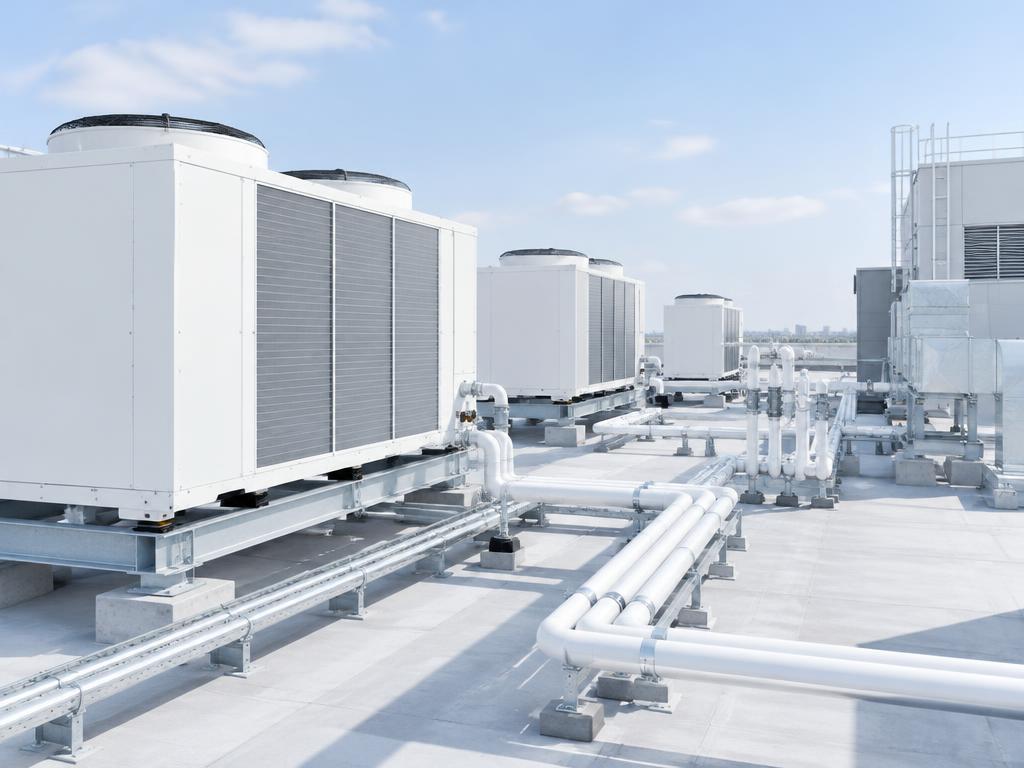
For example, a proposed heat-pump water heater may require a different electrical circuit, usable air volume or ventilation arrangement, condensate disposal, and service access. A roof-mounted unit change can affect curb geometry, weight, anchorage, duct transitions, electrical demand, and roof drainage. These are coordination examples; the precise requirements depend on the equipment and applicable codes.
Before final selection, reconcile the equipment schedule, energy model, load calculations, and architectural plan. Identify which efficiencies are mandatory, which features support a selected performance pathway, and which are owner preferences. Record the assumptions so that a later substitution can be checked against the same basis.
Electrical review must reach the documents contractors use
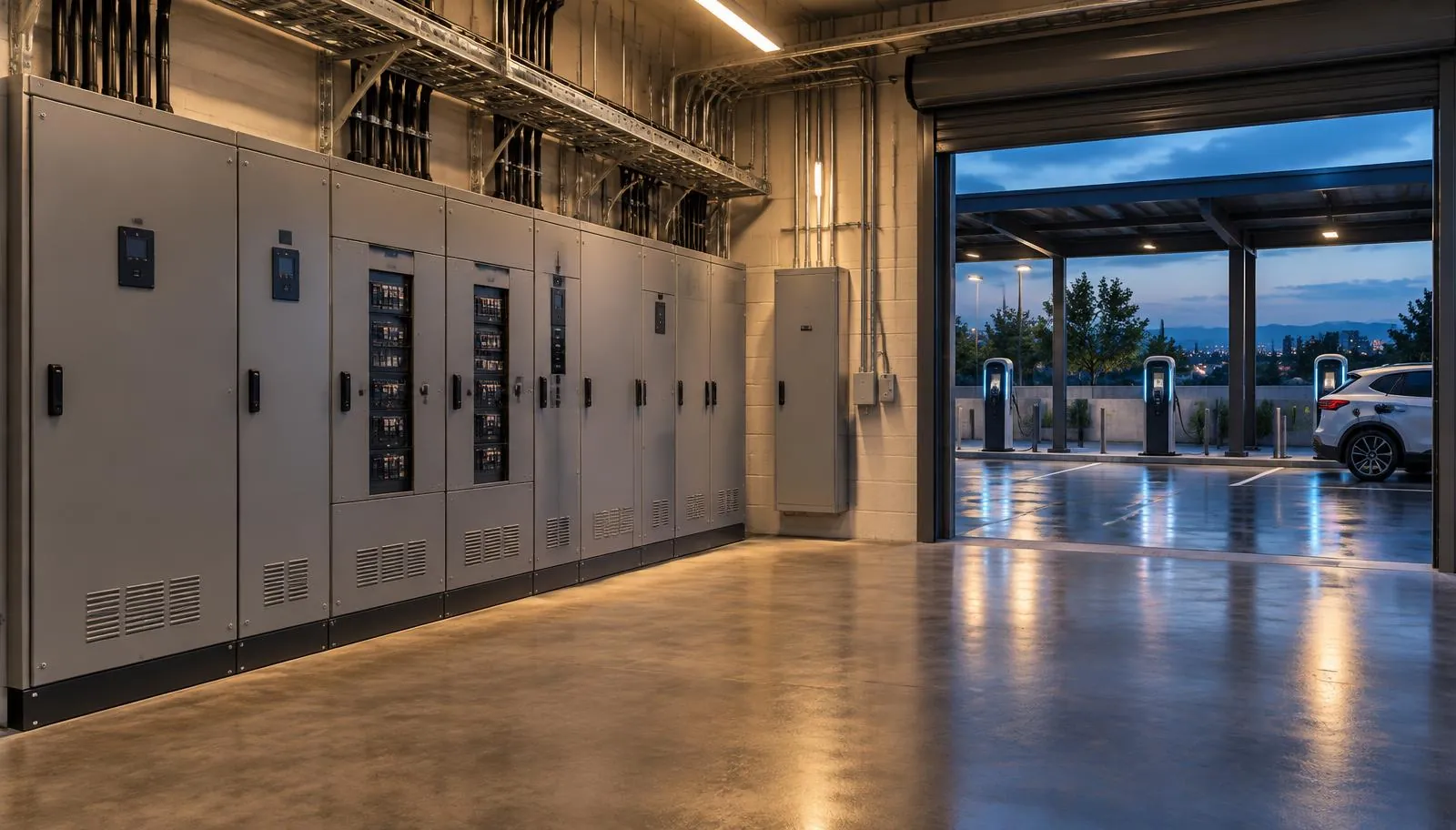
An edition update on the cover sheet does not establish electrical compliance. Review the affected NEC provisions and state amendments against the actual installation. Depending on scope, that review may include service and feeder sizing, load management, protective devices, emergency systems, EV infrastructure, solar and storage, equipment access, and product listings.
Then reconcile the one-line diagram, panel schedules, specifications, and architectural layouts. If a required equipment change alters footprint or access, resolve that change before the electrical room is fixed. If a project relies on a transition exception, keep the supporting permit or plan-acceptance record with the design file.
Accessibility and life safety belong in early planning
A project-specific code review should address occupancy, construction type, allowable height and area, fire protection, egress, and accessibility before planning decisions become difficult to change. A corridor, toilet room, entrance, or equipment location may have consequences beyond one discipline.
Use the locally adopted accessibility standard and state amendments, and separately evaluate applicable federal obligations. A building permit is not a universal determination of compliance with every civil-rights or accessibility law. The ADA has its own regulations and standards, including provisions addressing the relationship to certified state or local codes. U.S. Department of Justice Title III regulations (opens in a new tab) Where uncertainty affects a consequential planning decision, obtain the appropriate code or legal review rather than burying the issue in a general note.
Renovations need their own compliance path
For existing buildings, first classify the work: repair, alteration, addition, change of occupancy, or another applicable category. Determine which existing-building or rehabilitation provisions govern. Establish whether the work triggers upgrades outside the immediate construction area and identify any local seismic, fire-safety, energy, or other requirements that apply independently.
Document existing conditions sufficiently to support that analysis. Old drawings, unverified occupancy information, and assumed structural capacity can turn a modest scope into a larger redesign later. A new code edition alone does not prove that the entire existing building must be upgraded, but existing status alone does not establish an exemption.
The schedule and cost consequences owners should understand
The impact of a transition usually follows a chain: a changed requirement affects a design assumption, which affects a calculation or component, which affects another discipline, which affects procurement or permitting. The cost is not limited to the first drawing revised.
Potential consequences include additional analysis, revised consultant deliverables, changed equipment, repeat coordination, updated energy documents, new product-approval review, and resubmission. Some projects may benefit from new compliance options. Others may see little physical change after review. Avoid presenting a universal percentage cost increase without a project-specific estimate.
The owner should receive a short comparison of two realistic paths:
- Complete an eligible earlier-code submission. Identify the actual milestone, every missing item, responsible parties, and the remaining schedule risk.
- Design to the new requirements. Identify the affected systems, coordination work, procurement implications, and revised submission target.
Include contingency for intake rejection or an unresolved prior approval. Do not shorten engineering review, omit required documents, or imply that a rushed filing guarantees an earlier code edition. If the older-code route depends on an uncertain interpretation, resolve that issue before treating it as the baseline schedule.
A practical code-transition workflow
1. Establish the jurisdiction and scope
Record the project address, reviewing departments, occupancy, use, construction type, new-versus-existing scope, and special agency oversight. Identify who has authority over building, electrical, fire, energy, and accessibility review. The same mailing address can involve more than one reviewing authority.
2. Create a project code matrix
For each discipline, record the adopted edition, amendments, applicable referenced standards, effective date, source URL, and date verified. Add the proposed permit milestone and the evidence needed to establish it. Keep proposed rules separate from final rules.
3. Obtain a specific answer about the transition
Ask the AHJ: Which action preserves the selected edition for this project? What constitutes a complete application? What happens if the application is rejected, expires, changes substantially, or is submitted in phases? What separate electrical or energy deadlines apply?
Save the published guidance and any written determination. An informal statement about another project may not answer the current one.
4. Perform a focused gap review
Each discipline should identify applicable changes and classify them as no design effect, calculation update, document update, equipment or layout change, or unresolved interpretation. Add the affected drawing, calculation, specification, or model element and assign an owner.
5. Coordinate before issuing
Review the changes together. Test the electrical capacity for mechanical selections, the structural support for equipment, the fire and acoustic requirements at penetrations, and the architectural space for systems and access. Update schedules and compliance reports at the same time as drawings.
6. Verify tools and templates
Confirm that analysis software, energy tools, standard notes, details, calculation templates, and specification references support the selected edition. Validate outputs against the adopted criteria. A software version label is useful evidence, but it does not replace engineering judgment or checking.
7. Preserve the submission record
Retain the application, uploaded drawing set, calculations, receipts, approval records, intake status, and relevant correspondence. Track corrections and permit validity after filing. Recheck the code basis when scope, application status, or project phasing changes.
Frequently asked questions
Is there one new building code for all states in 2027?
No. States and local jurisdictions adopt different code editions and amendments on different schedules. The building, electrical, plumbing, and energy codes can also change at different times within one jurisdiction.
Does submitting drawings before the effective date preserve the old code?
Not necessarily. The applicable rule may require a complete application, accepted plans, an issued permit, prior approvals, or another milestone. Confirm the rule for the project and preserve evidence that it was satisfied.
Should a project always try to meet the earlier-code deadline?
No. Compare the achievable schedule and actual design differences. If a complete submission is unlikely, designing to the new requirements from the outset may avoid repeated work. The decision should include quality review and coordination time.
Does a new model code automatically change state law?
No. Publication of a model code and adoption by a jurisdiction are different events. Read the adopting law or rule, amendments, effective date, and applicability provisions.
Does a code change require every existing building to be upgraded?
Not automatically. Existing-building requirements depend on the work, occupancy, applicable rehabilitation provisions, and any independently applicable laws. Evaluate the actual scope before reaching a conclusion.
What should an architect or owner send an engineer for a transition review?
Provide the project location, current drawings, scope, intended use, target submission date, application and permit history, known prior approvals, and major equipment selections. Include any written AHJ guidance and unresolved review comments.
How VizoDesign can support the next decision
VizoDesign provides coordinated structural and MEP engineering, with BIM support, for building projects. A useful starting point is a review of the project’s current code basis, remaining design work, and intended permit milestone. From there, the team can identify discipline interfaces and the work needed to support a realistic submission plan. VizoDesign engineering services
If your project may cross a code transition, contact VizoDesign with its location, current design stage, and target submission date. Those details are the starting point for determining the applicable scope and next steps.
This article provides general educational information as of November 11, 2026. Adoption schedules, amendments, court orders, and local procedures can change. It is not legal advice or a project-specific compliance determination. Confirm the controlling requirements with the applicable authority and qualified design professionals before relying on a deadline or design assumption.
Have a specific question about deadlines, grandfathering or renovations? See our Building Code Questions & Answers.
VizoDesign Engineering Team
Structural and MEP design for buildings and infrastructure nationwide. This article provides general educational information; project requirements must be checked against the applicable codes, jurisdiction and site conditions.